SAPHO syndrome includes a variety of inflammatory bone disorders that may be associated with skin changes. SAPHO stands for Synovitis-Acne-Pustulosis-Hyperostosis Osteomyelitis.
An entity initially known as Chronic Recurrent Multifocal Osteomyelitis (CRMO) was first described in 1972. The term SAPHO was coined in 1987.
Treatment is with NSAIDs, steroids, methotrexate or Enbrel.
References:
Round 7: Synovitis-Acne-Pustulosis-Hyperostosis osteomyelitis syndrome (SAPHO). Johns Hopkins University School of Medicine.
SAPHO syndrome, from Wikipedia, the free encyclopedia.
Showing posts with label Rheumatology. Show all posts
Showing posts with label Rheumatology. Show all posts
Thursday, March 6, 2008

Monday, February 25, 2008
Fibromyalgia is not a rheumatological disease but a central pain syndrome
 According to a Medscape video editorial:
In 1990, The American College of Rheumatology established diagnostic criteria for fibromyalgia based on the scoring of 18 potential tender points (pain on palpation with a 4-kg force, pain at 11 of 18 sites is necessary to meet the criteria). "It turns out, however, that these tender points have nothing to do with fibromyalgia. Biopsy of the tender points shows no pathologic changes, and numerous studies have not shown any abnormalities in the musculoskeletal tissues that are painful.

Current evidence points to a neurologic disorder of central pain processing. We will no longer need to refer our fibromyalgia patients to the rheumatologist."
Some doctors doubt if fibromyalgia truly exists but the patient symptoms are real and should be addressed. Duloxetine (Cymbalta) and pregabalin (Lyrica) have been used with some success to treat this disorder. Lyrica is the first and only FDA-approved medication for fibromyalgia therapy.
References:
Fibromyalgia Is Not a Rheumatologic Disease Anymore. George T. Griffing, MD. The Medscape Journal of Medicine. Webcast Video Editorials.
Pharmacotherapy of Fibromyalgia - Medscape review, 2011.
Treating Fibromyalgia. AFP, 2000.
Fibromyalgia. eMedicine, Aug 15, 2007.
Fibromyalgia: Slideshow. Medscape.
Tai chi may be a useful treatment for fibromyalgia - NEJM, 2010.
Sexual dysfunction is common in patients with fibromyalgia - reported by 87% of females and 76% of males http://goo.gl/EsVTx
Image source: Wikipedia, Gray's Anatomy, public domain.
Image source: Wikipedia, Gray's Anatomy, public domain.

Tuesday, November 6, 2007
What is Crithidia Luciliae (and what do we use it for)?
 Recently, I saw a patient with suspected SLE who had a lab test by the name of "Crithidia Luciliae" and it was negative. In a limited and completely unscientific survey of a few colleagues, nobody was sure what Crithidia Luciliae was, so the short answer is below.
Crithidia are members of the trypanosome protozoa, just like Trichomonas vaginalis. The kinetoplast (in the tail) of the unicellular flagellate Crithidia luciliae is an excellent source of circular dsDNA and provides a substrate when screening for anti-dsDNA autoantibodies.
The presence of these antibodies is almost exclusively associated with a diagnosis of SLE. The anti-dsDNA antibody sensitivity for diagnosing SLE is 66 to 95 percent, specificity is 75 to 100 percent. The titer correlates with disease activity and is a useful marker, both to assess disease severity and to monitor response to therapy.
There are commercially available testing kits using indirect immunofluorescent assay.
References:
Diagnosis and differential diagnosis of systemic lupus erythematosus in adults. UpToDate 15.3.
Image source: Crithidia Luciliae. Bindingsite.co.uk (permission to display, copy, distribute and download for non-commercial use only).
Wikipedia links.
Wednesday, June 6, 2007
Acute Wiiitis Reported in NEJM
 The preeminent medical journal NEJM published a case report by a resident physician who developed acute tendonitis due to playing too much with the new Nintendo video game console called Wii (pronounced "wee").
According to CNN:
"When Dr. Julio Bonis awoke one Sunday morning with a sore shoulder, he could not figure out what he had done. It felt like a sports injury, but he had been a bit of a couch potato lately. Then he remembered his new Wii..."
Wii remote (nicknamed "Wiimote") is a motion-sensitive controller and allows gamers to direct the on-screen video game by swinging it like a tennis racket. And this is how one gets wiiitis. Pure logic it is not. The Latin names of inflammatory conditions are made from the name of the affected organ and the suffix "-itis", for example tendonitis -- tendon inflammation, dermatitis -- skin (derma) inflammation. No matter how popular it is, Wii is not part of the human body (yet), and therefore creating names such as "nintendonitis" or "wiitis" should probably be avoided.
After BMJ published a study on didgeridoo playing as alternative treatment for obstructive sleep apnea, it seems like few things can surprise the readers of medical journals anymore. Life is truly stranger than fiction.

A didgeridoo. Click to hear the sound it makes.
Joshua Schwimmer of KidneyNotes maintains a collection of hilarious journal articles.
References:
Acute Wiiitis. NEJM, Volume 356:2431-2432, June 7, 2007.
If it's not tennis elbow, it may be 'Wiiitis'. CNN, 2007.
Image sources: Wikipedia, Enrique Dans, a Creative Commons Attribution 2.0 License; Wikipedia, a GNU Free Documentation License.


Related:
Is the Superbowl Hazardous to Your Health? Once again, the New England Journal of Medicine has sunk to new lows in the interest of increasing its impact factor. Dr. Wes, 01/2008.
Updated: 01/31/2008
Sunday, September 17, 2006
Once-a-Year Drug to Treat Osteoporosis
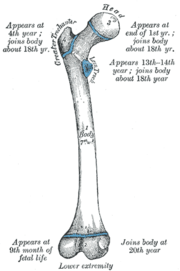 The new once-yearly Aclasta manufactured by Novartis has been shown to be as effective as weekly Fosamax in reducing incidence of bone fracture in women with postmenopausal osteoporosis (PMO). One in two women with PMO will suffer an osteoporotic fracture, if untreated. Reportedly, patients treated with Aclasta had a 70 % risk reduction in new spine fractures and a 40 % risk reduction in hip fractures (compared to placebo). Both Fosamax and Aclasta belong to a medication class called bisphosphonates.
Aclasta (zoledronic acid) is actually not a new drug -- is has been used in the U.S. under the name Zometa for treatment of hypercalcemia in malignancy and osteolytic bone metastasis. It will be sold in the U.S. under the name Reclasta. Why do we need a new name for the same drug? It is probably for marketing purposes so that patients do not confuse Zometa (used in malignancy) with Reclasta.
Currently, Fosamax is the most prescribed osteoporosis drug with worldwide sales of $3 billion in 2005 (its patent will expire in 2008).
Boniva by Roche has the advantage of once-a-month dosing and it rapidly gained market share at the expense of Fosamax.
A few questions come to mind:
Why do we need once-a-year drug for osteoporosis? We already have effective medications for this condition...
Oral bisphosphonates are cumbersome to take which leads to low-compliance -- 60% of patients taking weekly bisphosphonates (Fosamax) stop treatment within a year.
Patients must take the drug on an empty stomach in the morning, stay upright and wait for 30 minutes before eating, drinking or taking any other medication.
A medication that needs to be taken only once per year may help alleviate the compliance problems.
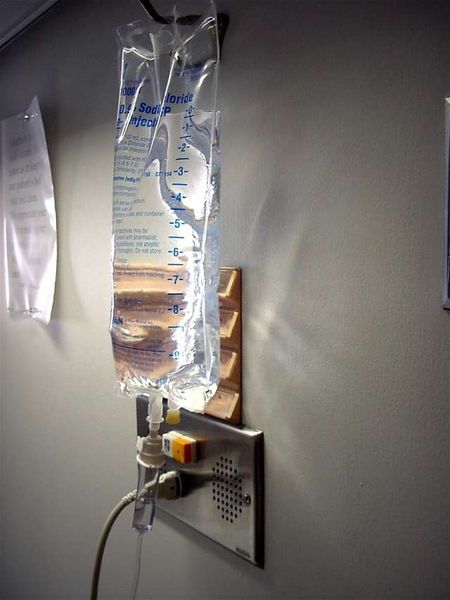
Once-a-year treatment sounds great but what is the drawback?
Aclasta can only be given as IV infusion. There is no oral form of the medication (no pill). It also has a different safety profile (different side effects) than oral bisphosphonates.
Bottom line
Compared to IV infusion, the once-a-month Boniva should be OK in terms of compliance -- it is only 12 pills per year after all.
References:
Novartis: Once a year drug helps bones. CNN Money.
Study Shows New Once-a-Year Osteoporosis Shot Reduces Fractures. WSJ.com
Bisphosphonates. Susan Ott, Department of Medicine, University of Washington.
The World Health Organization has an online Fracture Risk Assessment Tool.
Links to medications by Epocrates, Inc.
Images source: Wikipedia, public domain.
Subscribe to:
Posts (Atom)